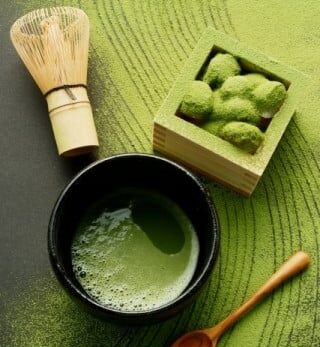


Matcha—a green jewel, a flavor born from a thousand years of tranquility.
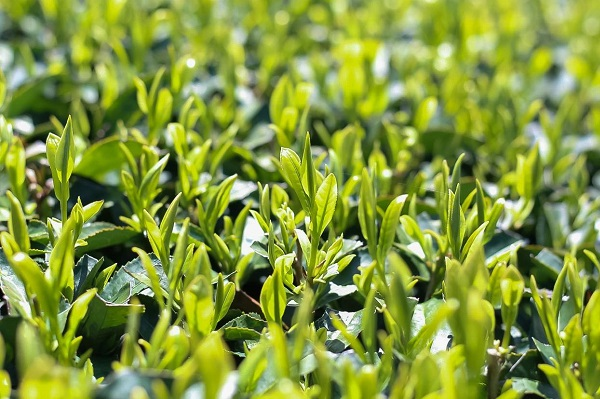
What is matcha? It’s not simply a “green drink.” It’s the very essence of Japanese spiritual culture, refined over more than a thousand years.
The tea culture, introduced from China during the Heian period, underwent a unique evolution through the soil and hands of Japanese artisans. Within the philosophy of “Chado” (the Way of Tea), perfected by Sen no Rikyu during the Muromachi period, matcha transcended mere luxury, embodying the spirit of “ichigo ichie” (one encounter, one opportunity). This history and philosophy shape the value of matcha today.
The quality of matcha is determined by a unique production method called “covered cultivation.” For 3-4 weeks before harvest, the entire tea field is covered with shading sheets, intentionally blocking sunlight from reaching the tea leaves. This causes the leaves to rapidly increase chlorophyll in search of light, accumulating a vibrant deep green color and the rich umami component, theanine. This meticulous effort and technique create matcha’s characteristic sweetness, richness, and captivating vibrant green color.
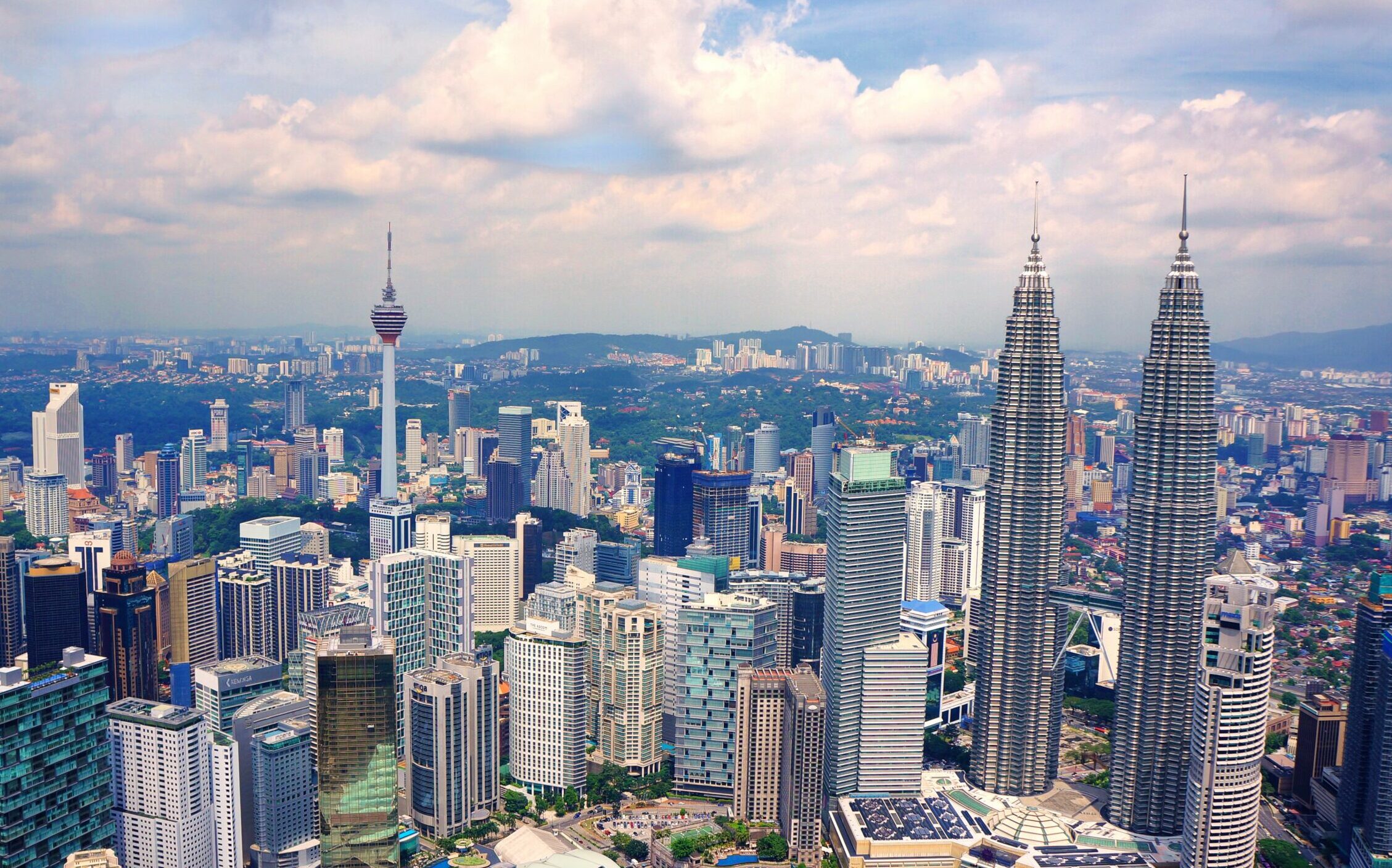
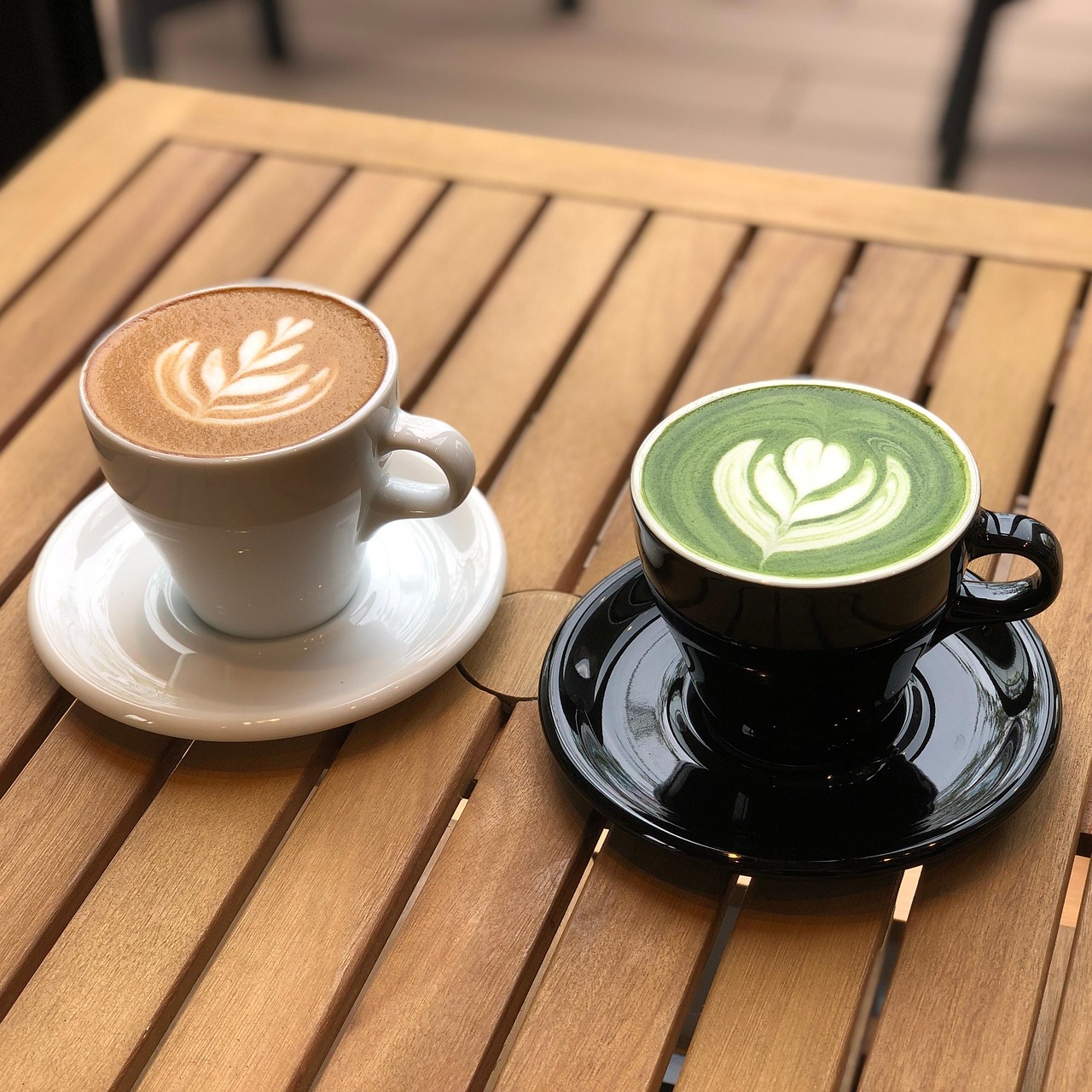
The world is currently swept up in a matcha craze. Matcha lattes have become a staple in New York cafes, and matcha-based sweets are considered luxury items in Parisian patisseries. In Malaysia and Singapore, a matcha boom is accelerating, primarily through social media, leading to a surge in demand for authentic Japanese matcha. Along with growing health consciousness, attention to its functional benefits—such as antioxidant effects, relaxation, and improved concentration—is expanding globally.
However, many “matcha-like” products circulating worldwide are not made from genuine Japanese matcha. The reality is that inferior powder mixed with green coloring is being sold as “matcha.” This is precisely why the value of authentic Japanese matcha stands out now.
Bring the deep green of your carefully cultivated tea leaves to the hands of people around the world. The time has come to share the thousand-year history and philosophy of matcha with Asian tables and culture.