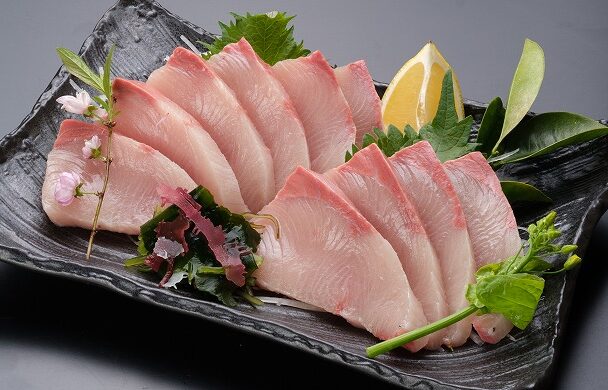



Yellowtail—a fish that changes its name as it grows, embodying the true essence of Japanese flavor.
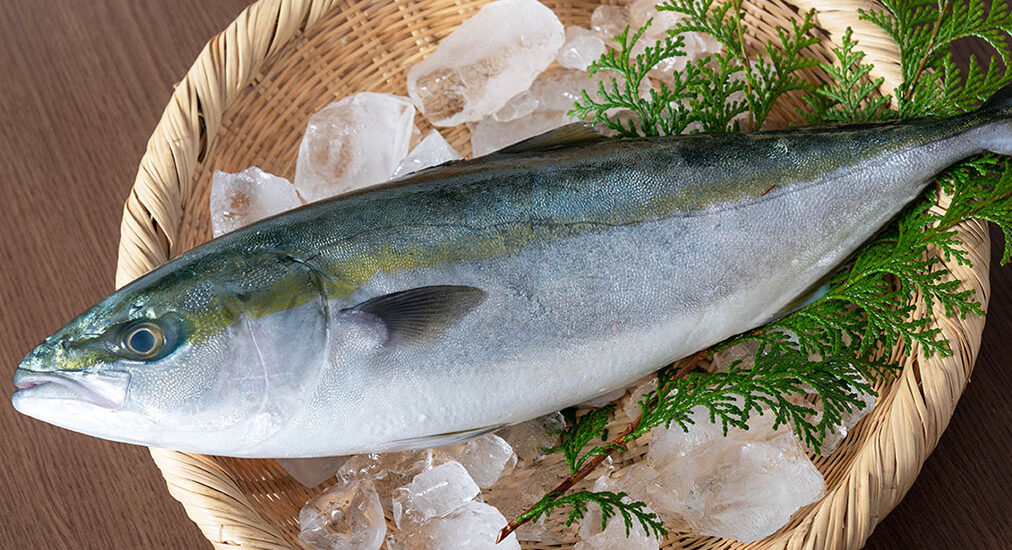
What is yellowtail (buri)? In Japan, it has long been called a “fish of promotion,” a fish whose name changes as it grows, making it an indispensable symbol of good fortune at celebratory occasions. However, its value extends beyond its cultural background. Yellowtail embodies the “essence of umami” that the world is beginning to recognize.
The main centers of yellowtail farming in Japan are Kagoshima, Oita, and Ehime prefectures. Farmed yellowtail, raised in warm waters, boasts a fat content and consistent quality comparable to wild yellowtail. In particular, “winter yellowtail” reaches its peak fat content, and its rich umami is said to rival that of tuna belly (toro). The main components of its fat are omega-3 fatty acids such as DHA and EPA, and its high health benefits are attracting global attention.
The versatility of yellowtail in cooking is a major strength when viewed as an export ingredient. Sashimi, sushi, teriyaki, shabu-shabu, carpaccio—its versatility, adaptable not only to Japanese cuisine but also to Western, Chinese, and fusion cuisine, is captivating chefs worldwide. In particular, “Teriyaki Yellowtail” (buri no teriyaki) pairs exceptionally well with the sweet and savory soy sauce-based sauce, making it highly compatible with Asian culinary culture.
In Japanese restaurants in Malaysia and Singapore, yellowtail is already a popular menu item. However, supply currently cannot keep up with demand. By establishing quality-controlled freezing technology and stable export routes, yellowtail has the potential to become a leading Japanese seafood product in the Southeast Asian market.
Like a fish that changes its name as it grows, the time has come for yellowtail to “rise up” to the world stage. To deliver the true essence of the deliciousness nurtured by the seas of Japan to Asian tables.