

Scallops—a pure sweetness nurtured by the northern seas.
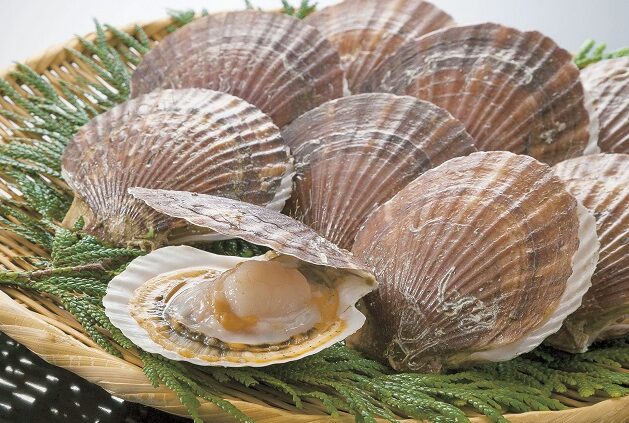
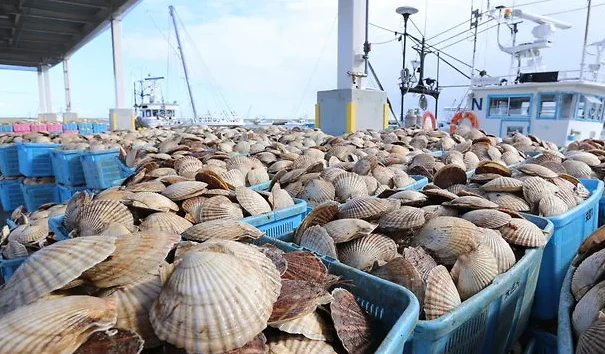
What is a scallop? It’s a “jewel of the sea,” nurtured over many years in the pristine waters of Hokkaido.
The main scallop-producing region in Japan is Hokkaido, particularly along the Okhotsk Sea coast. The abundant minerals carried by drift ice and the cold, clear seawater cultivate scallops of the highest quality in the world. The lower the water temperature, the slower the scallops grow, resulting in firmer flesh and a more concentrated umami flavor. This “time and environment” is what makes Hokkaido scallops special.
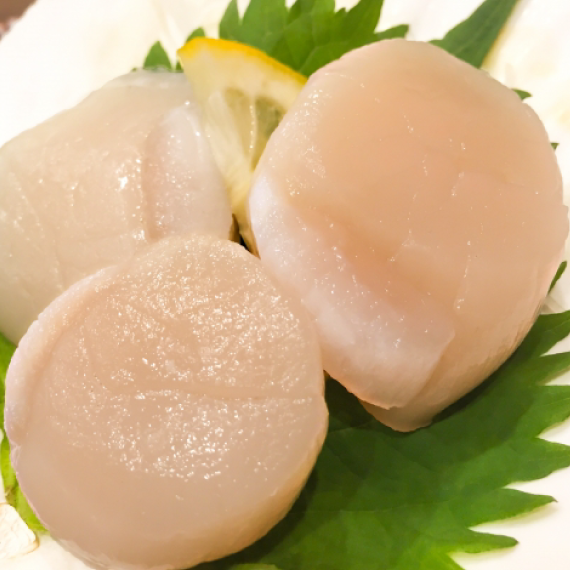
The greatest appeal of scallops is their pure sweetness. Multiple umami components—glutamic acid, adenylic acid, and glycine—combine to create a remarkable sweetness and aroma, whether cooked or eaten raw. Grilled with butter and soy sauce, they release a briny aroma; eaten raw, they offer a refreshing sweetness that fills the mouth. Dried scallops are highly prized as a luxury ingredient in Chinese cuisine and enjoy immense popularity throughout Asia as “scallop adductor muscle.”
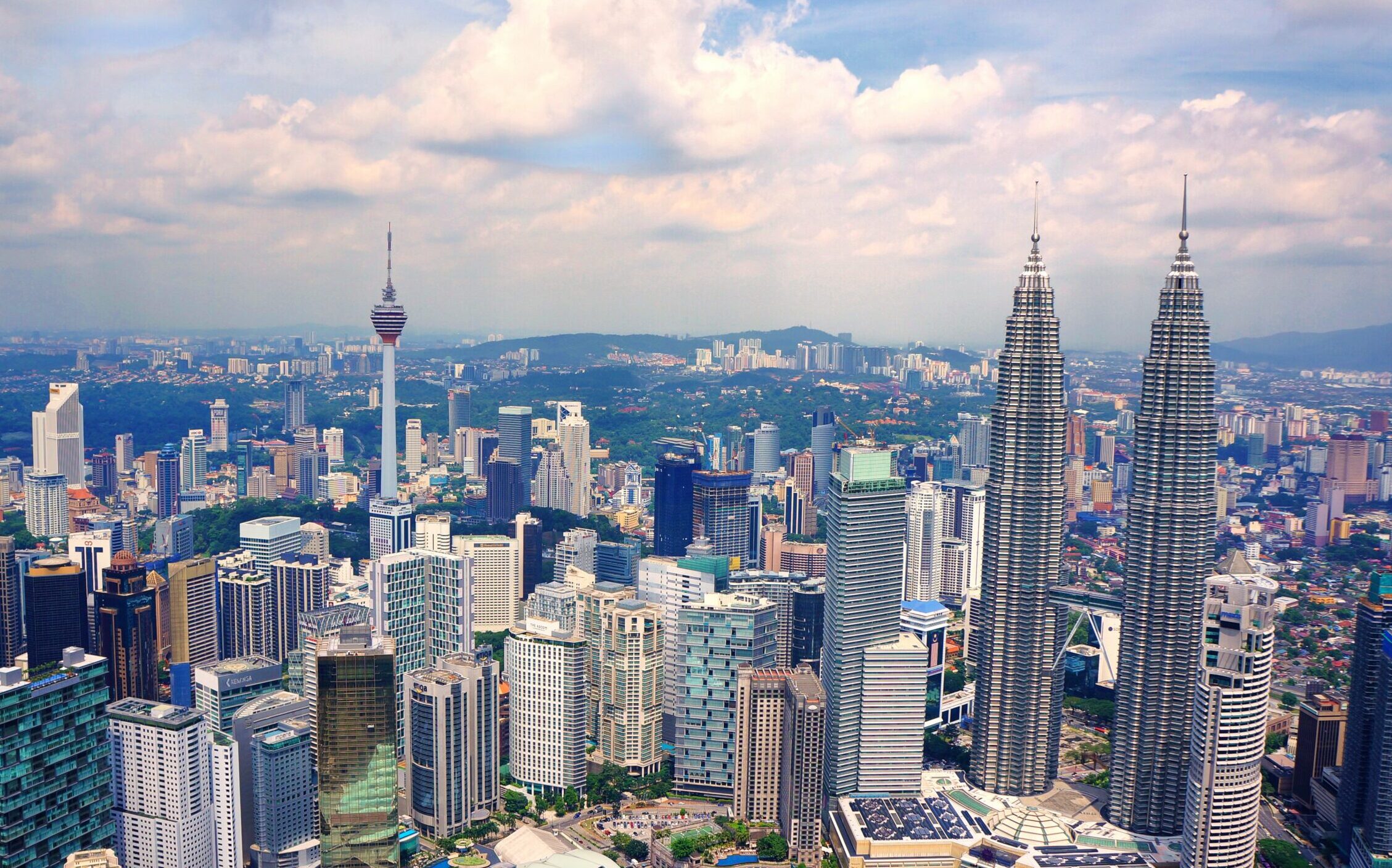
Demand for scallops is rapidly expanding in the global market. Particularly in Southeast Asia, interest in Japanese seafood is growing along with the expansion of the middle and upper classes, and Japanese scallops are selling like hotcakes in high-end supermarkets in Malaysia and Singapore. With the recent fluctuations in demand in the Chinese market, now is the perfect time to establish sales channels in Southeast Asia.
However, in reality, many producers in Hokkaido rely solely on the domestic market, unaware of the export procedures. With the right freezing technology, logistics network, and connections with local buyers, Hokkaido scallops could reign as a top-priced ingredient on Southeast Asian tables.
Bring the sweetness nurtured by the cold winds of the Okhotsk Sea and its pristine waters to Asian tables. The time has come to share the bounty of the northern seas with people around the world.